

Walking is one of the most fundamental movements that we perform. From the time we take our first step as a child, walking becomes more and more like second nature. Yet for millions of people suffering from muscle weakness, injuries, or poor balance, even walking can become a difficult task. That’s where gait training steps in. Gait training helps individuals who have trouble walking restore normal walking patterns, allowing them to regain their mobility and their confidence. And today, thanks to innovative technology like the XO-SOLE smart insole, gait training is becoming more objective, personalized, and measurable than ever before.
What is Gait Training?
Gait training is an important part of physical therapy and refers to the intervention of healthcare professionals aimed at helping individuals improve the way they walk. According to Dr. Garrett Stroup of OrMobility, the goal of gait training is to “restore normal walking patterns through therapeutic exercises and the use of biofeedback techniques to track progress.” It is commonly used in clinical practices to improve mobility, reduce fall risk, enhance strength, and balance, and improve overall quality of life.
There are many reasons people may need gait training. As we age, we naturally begin to lose strength, mobility, and balance, all affecting how we walk. Beyond age-related changes, anyone recovering from a stroke, living with Parkinson’s disease or multiple sclerosis, managing arthritis, or healing from lower-limb surgery or injury may struggle with walking. Because these challenges vary widely, the gait training experience looks different for everyone. As Robin Evans, a Physical Therapist at Ivy Rehab, states, “[Gait training] is never a one-size-fits-all plan. It’s personal, practical, and focused on helping you return to the activities that matter most.”
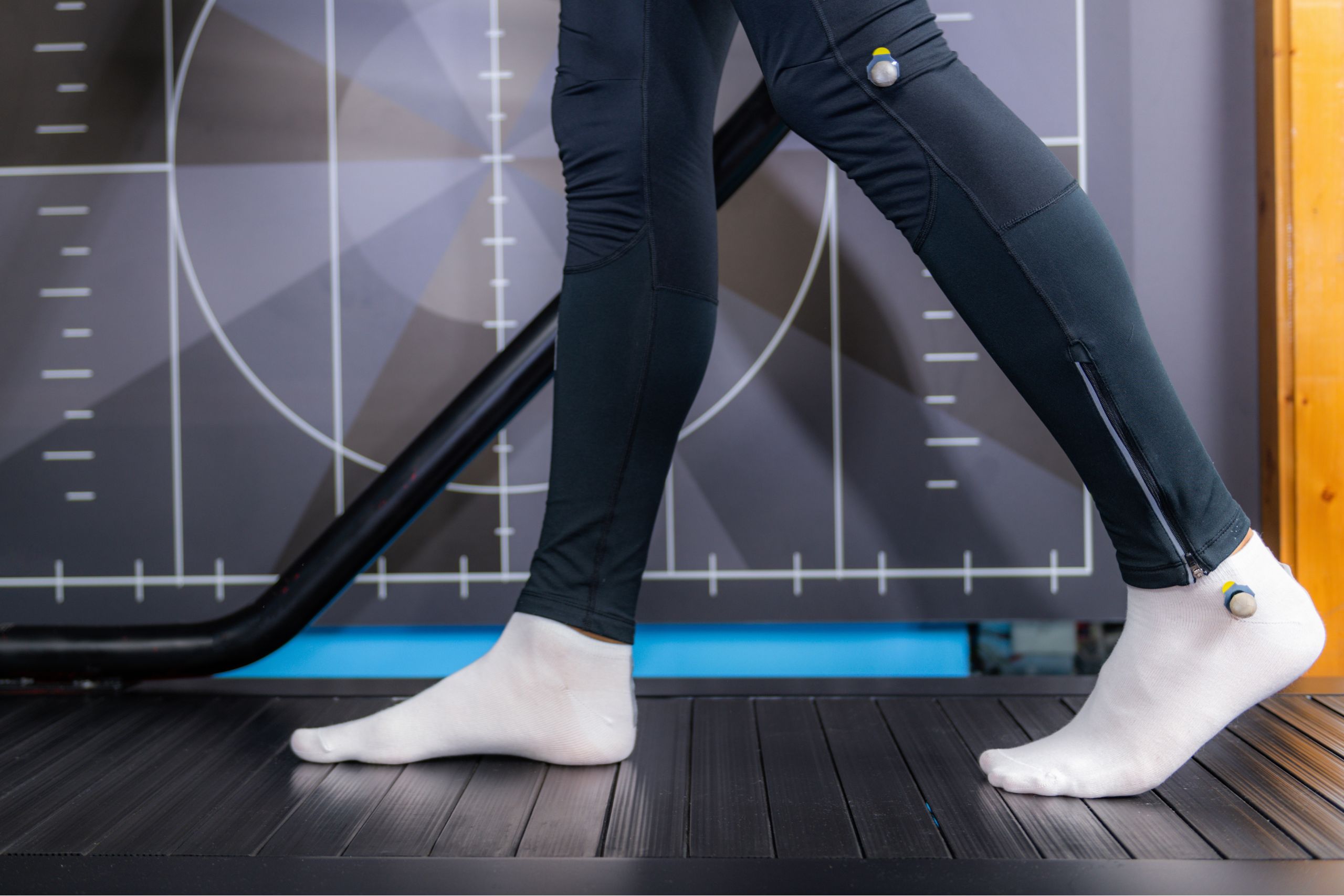
How Gait Training Works
Successful gait training involves many different components, and improving walking patterns can take time. SportsMed News explains that “Gait training can be lifelong, especially for people with chronic conditions.” While each person’s experience is unique, and progress may take longer for some, there are common elements across most gait training programs. All gait training methods include, to some degree, the targeted strengthening of muscles, improving joint mobility, enhancing proprioception (the body’s sense of movement and position), and correcting gait inconsistencies through biofeedback (HealthyTipp).
Much of the success of gait training hinges on the health-care provider’s ability to personalize the exercises and intervention in a way that caters best to the patient’s needs. In order to do this, a clinician must be able to accurately determine the areas of weakness in the patient, whether it be a specific gait disorder, a particular weak area of the body, or any combination of factors. Usually this begins with a gait analysis, where certain gait parameters are evaluated, such as walking speed, posture, and foot alignment (Stroup). Other common metrics include stride length, gait symmetry, and balance.
Patient Education is also a crucial part of gait training. The exercises and training programs will have little impact if not understood and then applied outside of the clinical practice. As HealthyTipp suggests, “Understanding the rationale behind the exercises and the importance of adherence enhances the effectiveness of the treatment.” The article continues by stating that providing patients with the knowledge and skills they need to continue the training at home is vital to their success (HealthyTipp). While you can’t send a patient home with a force plate to assess balance, patients can record themselves walking, and exercises strengthen the body over time and are easy to learn.
Where the XO-SOLE Fits In
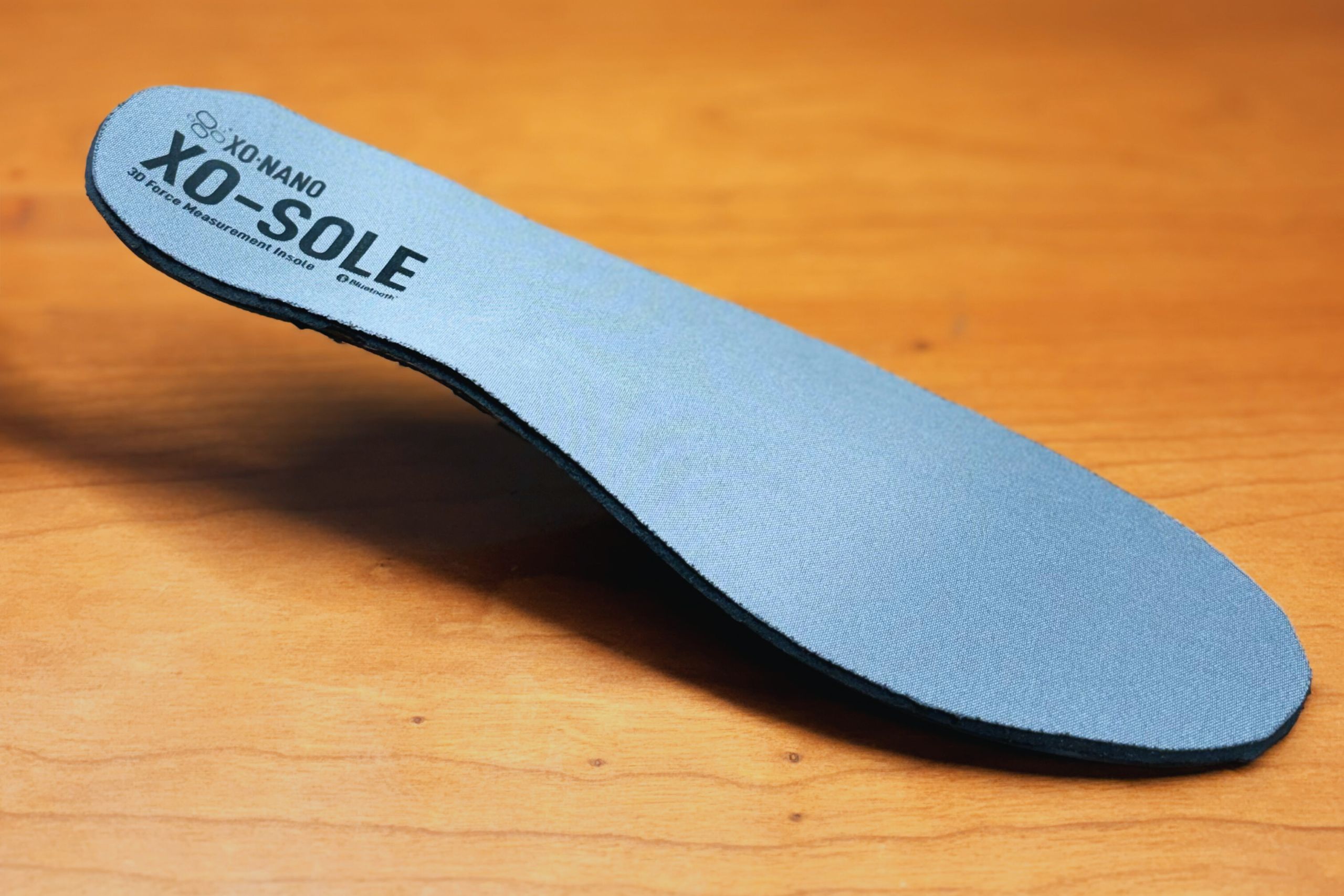
The XO-SOLE is a major innovation, making gait training easier and more measurable than before. As Gait training involves both subjective and objective analysis, XO-NANO Smartfoam’s XO-SOLE seeks to overcome the limitations of subjectivity by providing a tool that a patient can have with them wherever they go, a tool capable of detecting all the metrics that clinicians deem as important and much more. Whether a patient is walking a flight of stairs, jogging at the gym, taking a stroll at the park, or doing their groceries, the XO-SOLE can accurately assess their gait no matter the terrain.
Such accuracy has traditionally only been possible within the confines of a lab. Force plates and instrumented treadmills are the industry gold-standard for force measurement. A lab, however, is not the greatest representation of the real world. In our day-to-day lives we encounter different surfaces, obstacles, and terrains. A brick-and-mortar lab might not always be the best option to determine if gait training programs are making an impact.
The XO-SOLE, on the other hand, is a smart, compact, and comfortable insole that acts as a portable gait lab, making it the perfect addition to a training program. Therapy clinics can now gain force, pressure, and gait insight beyond the clinic. Because objective data can be collected anywhere with the insoles, it has become much easier to track the progression of a patient’s walking patterns. What’s more is now patients can play a bigger part in the process. Insights and data taken from the insoles are readily available to the patient, allowing them to track their own progress and access their data anytime they want, only adding to the likelihood of success by making patient education a more streamlined process.
Why It Matters
Gait training isn’t just about improving how someone walks. It’s also about restoring independence, confidence, and most importantly quality of life. Whether someone is recovering from surgery, managing a chronic condition, or suffering from an injury, the ability to move safely and comfortably shapes all aspects of daily life. But meaningful progress requires accuracy, consistency, and objective insight, which is often difficult to capture outside the clinic. That’s where the XO-SOLE makes a real difference. By providing real-time, real-world data on how a person moves, it provides clinics and patients with the information they need to track improvements, identify issues earlier, and personalize treatment with greater accuracy. So what? Better data leads to better gait training and, ultimately, better outcomes for the people who rely on it most.